
Welcome to HP Tuners! Whether you’re a seasoned gearhead or just starting out, understanding the basic terminology of automotive tuning is essential. In this post, we’ll introduce you to 10 key terms every tuning enthusiast should know, breaking them down into an easy-to-digest format. Let’s dive into the world of automotive tuning and learn the language that powers it.
Quick Links:
– Air Tuning Terms
– Fuel Tuning Terms
– Spark Tuning Terms
– Bonus Terms
Understanding Air, Fuel, and Spark
Every internal combustion engine operates on three basic principles: air, fuel, and spark. An understanding of these elements will give you the insight needed to make precise adjustments when tuning. We will group our list of key terms into these three principles, beginning with air.
Air
Air Flow
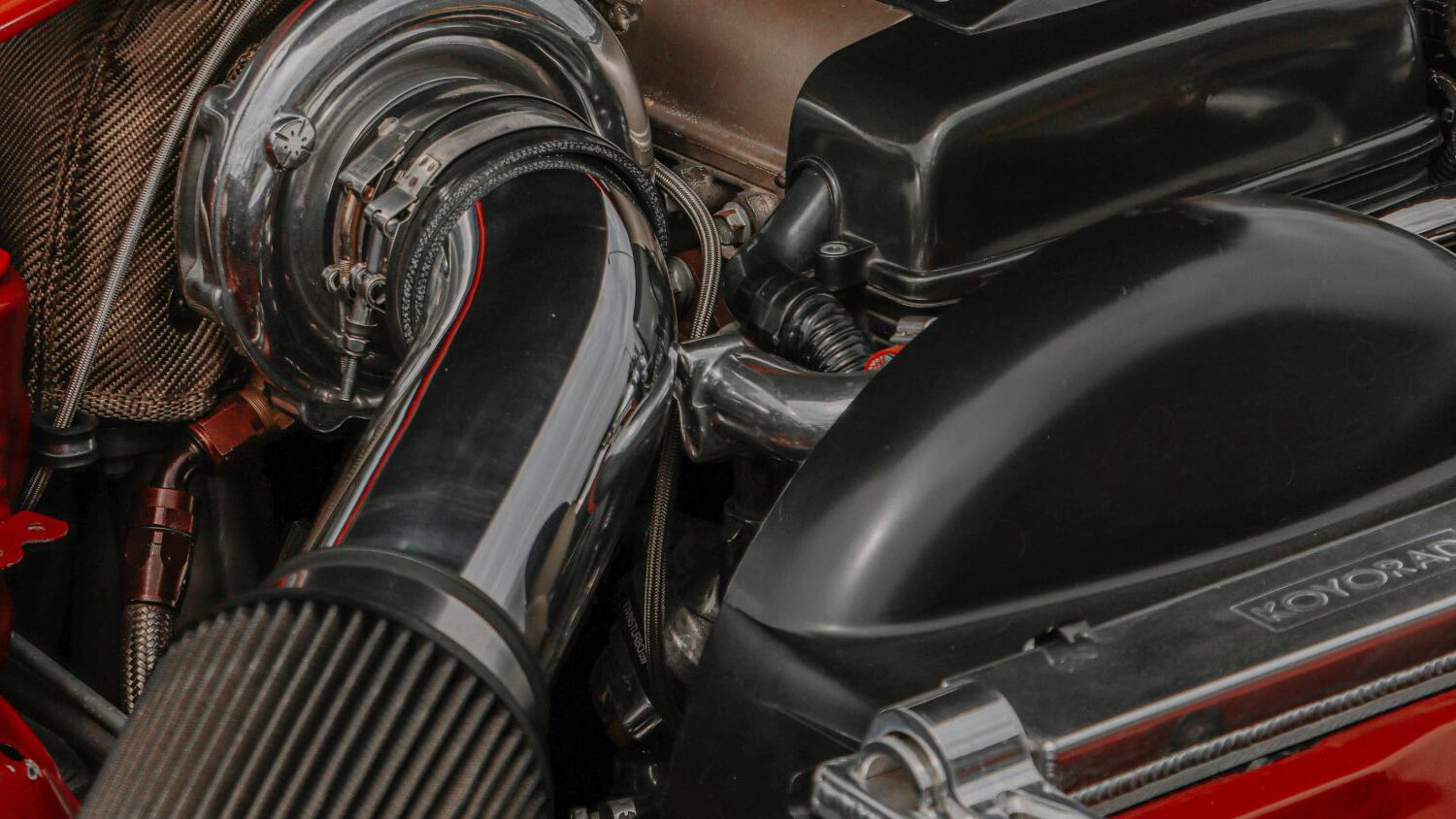
Air flow refers to the amount of air being drawn into your engine. More air means more potential power, as many modifications focus on introducing more air into the engine. Tuning for increased air flow can lead to significant performance gains.
Air-Fuel Ratio (AFR)
The Air-Fuel Ratio, or AFR, measures the ratio of air to fuel in your engine’s combustion chamber. The ideal AFR depends on your engine, the fuel used, and various other conditions. It’s important to note that there is no universal magic ratio for every application. Using the data logging and other tools within VCM Suite can help you dial in those figures. Adjusting the AFR can affect your engine’s efficiency and power output, making it crucial for optimal performance.
Manifold Air Pressure (MAP)
Manifold Air Pressure (MAP) measures the pressure within the intake manifold, providing a direct indication of the amount of air available for combustion. This parameter is essential for the ECU to calculate the necessary fuel delivery for optimal combustion.
Boost
Boost refers to increased air pressure within the intake manifold, specifically when a vehicle is turbocharged or supercharged. This pressurized air exceeds atmospheric pressure and is forced into the combustion chamber, significantly enhancing engine performance.
Fuel
Now that we have all that air in the combustion chamber, we need to add a fuel source. Gasoline, ethanol, diesel, propane, and hydrogen are just a few of the fuels used in internal combustion engines. Here are some key terms you should be familiar with.
Fuel Flow
Fuel flow is the rate at which fuel is delivered to the engine. It’s crucial for maintaining the right AFR and ensuring your engine performs at its peak.
Fuel Pressure
Fuel pressure is the pressure at which fuel is pumped from the fuel tank to the injectors before being sprayed into the combustion chamber. Proper fuel pressure ensures efficient atomization of fuel, leading to optimal combustion.
Injector Duty Cycle
Injector Duty Cycle is the percentage of time, fuel injectors are open during an engine cycle. It is critical for ensuring optimal fuel delivery. Exceeding an injector’s duty cycle indicates it cannot supply the fuel demanded by the ECM, signaling the need for larger fuel injectors.
Fuel Trim
Fuel trim refers to the adjustments made by the ECU to the fuel mixture delivered to the engine. There are two types: short-term fuel trim (STFT) and long-term fuel trim (LTFT). STFT adjustments respond to immediate changes in driving conditions, while LTFT adjustments correct persistent imbalances over time. Proper fuel trim helps maintain performance, efficiency, and reduces harmful emissions.
Ignition (Spark)
The final component needed for combustion is ignition, commonly referred to as spark. Focusing on gasoline engine ignition systems, here are some key terms you should know.
Ignition Timing
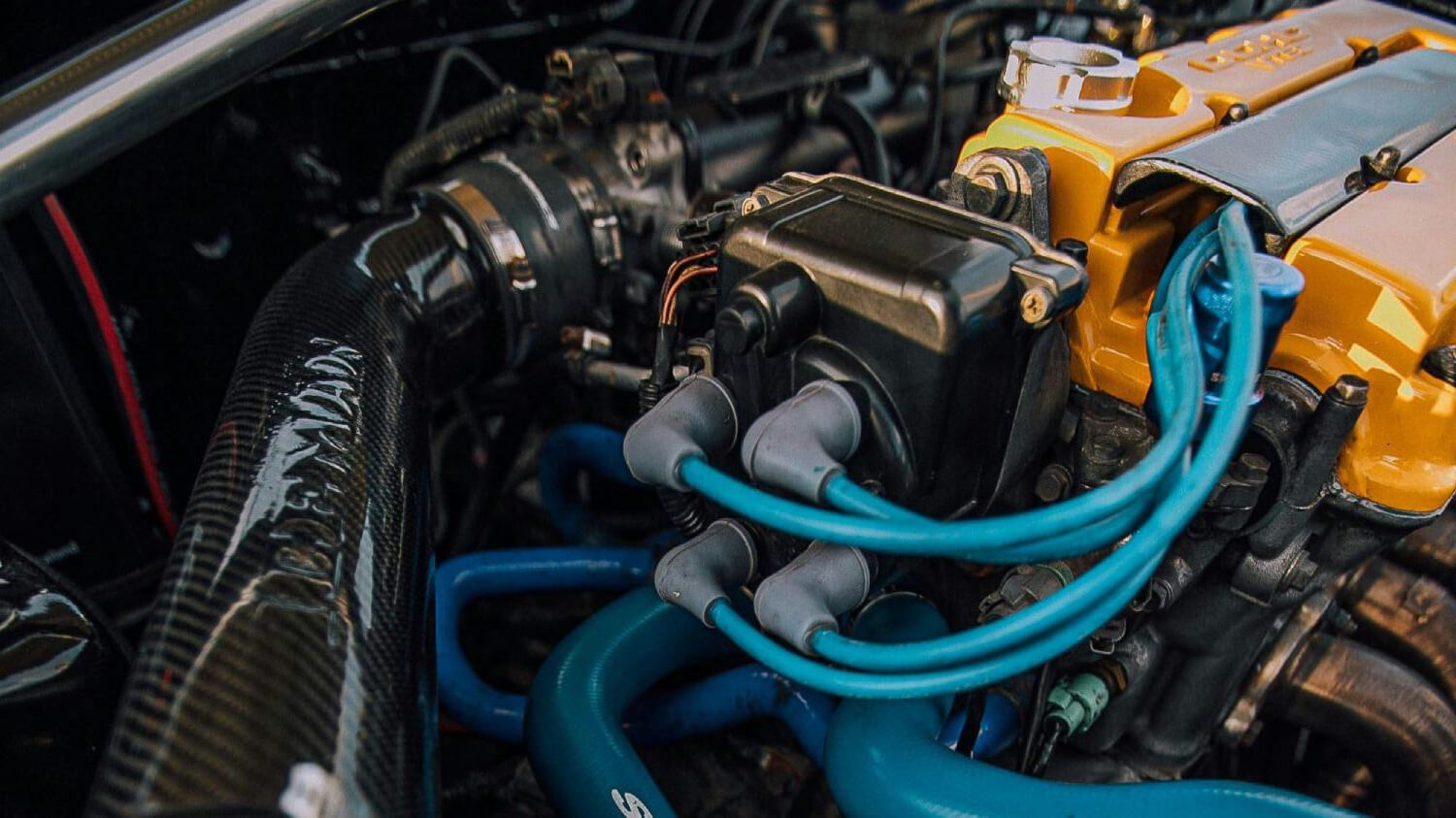
Ignition timing is the precision of when your engine’s spark plugs fire, igniting the air-fuel mixture. This timing is crucial for optimal combustion and engine performance and is a key focus during tuning.
Spark Plug Gap
The spark plug gap is the distance between the center and ground electrode on a spark plug. Correct spark plug gap is crucial for proper combustion; too wide a gap can lead to misfires, while too narrow a gap can cause a weak spark, reducing engine efficiency and performance.
Bonus Terms
There are a few outliers that don’t conform to the three categories mentioned, but they are still important to know. Here are five additional terms to expand your tuning knowledge.
Detonation (Knocking)
Detonation is a harmful engine condition caused by premature combustion, starting before the ignition timing commands the spark plugs to fire. Severe detonation can cause internal damage, making knock sensors crucial for detecting and addressing this issue.
Static Compression Ratio
The static compression ratio of an engine describes the difference between the total volume of a cylinder when the piston is at the bottom of its stroke compared to the volume when the piston is at the top. Higher compression ratios can lead to more powerful combustion but may require higher-octane fuel to prevent knocking.
Octane Rating
The octane rating of fuel, measures its ability to resist knocking during combustion. Higher octane fuels can withstand higher cylinder pressures without detonating, making them suitable for high-performance or turbocharged engines.
Boost Control
Boost control involves managing the air delivered to the intake manifold by a turbocharger or supercharger. This is typically done through mechanical or electronic boost controllers that adjust and maintain the pressure level within a safe range for the engine.
Dyno Tuning
Dyno tuning uses a dynamometer to measure various aspects of vehicle performance, such as horsepower, torque, and air-fuel ratios. This process allows tuners to adjust ECU settings in a safe, controlled environment, maximizing power and efficiency.

Conclusion
We hope this post has given you a better understanding of some tuning terms commonly used in automotive tuning. For more in-depth tutorials and tools, utilize our Help Center, Forum, Educational YouTube videos, and technical support team for any help you may need.